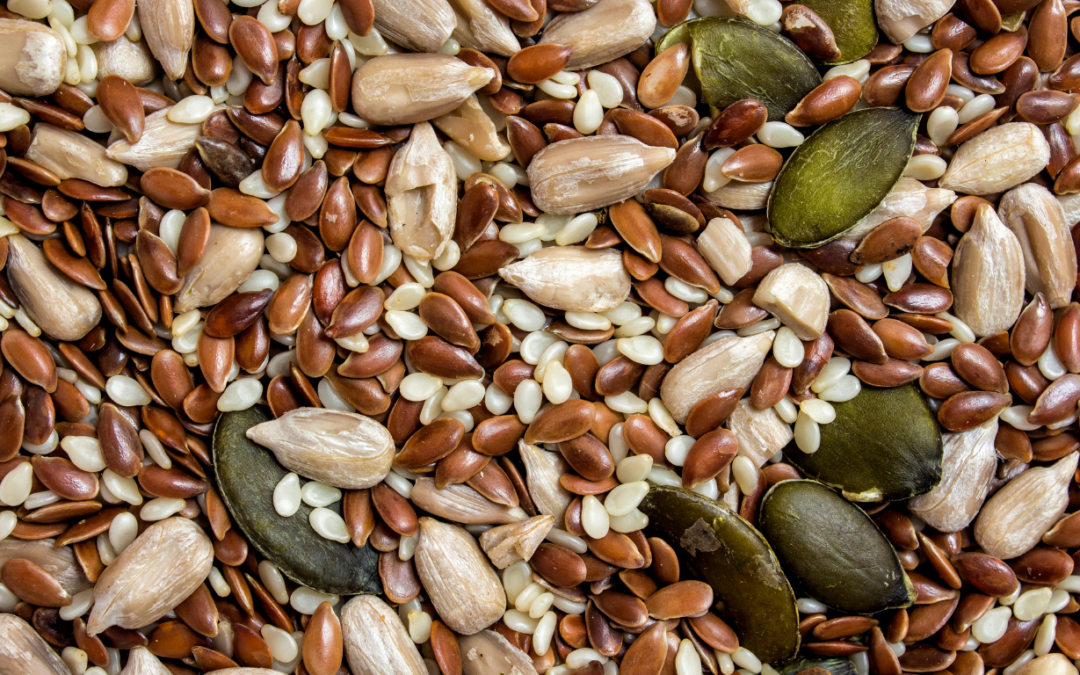
Which seeds are suitable for cold pressing? This is an important question for farm shops, direct marketers, oil mills and businesses that want to produce high-quality vegetable oil with an oil press.
In principle, many oil-rich seeds, kernels and nuts can be cold pressed. However, oil content alone is not enough. Moisture, cleanliness, preparation, temperature control and the right oil press all influence oil quality, yield and the reliability of the pressing process.
This guide gives a practical overview of common seeds for cold pressing, key preparation requirements and the point at which equipment such as cleaning, storage or filtration becomes useful.
Quick overview: what matters when choosing seeds for cold pressing
- The seed should be clean, consistent and stored correctly.
- Moisture and temperature influence oil quality, yield and pressing behavior.
- Not every seed behaves the same in every oil press.
- For direct marketers, yield matters, but so does a stable product that can be sold reliably.
Why seed quality is essential for cold pressing
Cold pressing is a mechanical process used to extract vegetable oil from seeds, kernels or nuts. Because the process is designed to be gentle, the quality of the raw material plays a central role. Contamination, poor storage or excessive moisture can affect pressing behavior, taste and shelf life.
For businesses selling vegetable oil through a farm shop or direct marketing channel, consistent quality is especially important. Customers expect a clean, fresh and traceable product. Good oil quality therefore starts before the oil press: with seed selection, cleaning and storage.
Which seeds are suitable for an oil press?
Many seeds and nuts can be interesting for producing cold-pressed vegetable oil. Which raw material makes sense depends on the desired oil, regional availability, target market and the oil press being used.
Rapeseed is a natural choice for many farms because it is regionally available and produces a versatile edible oil.
Sunflower oil is well known, easy to explain to customers and attractive for farm shops with direct sales.
Flaxseed oil is more sensitive, but very interesting as a high-value speciality oil. Processing and storage should be planned carefully.
Hemp oil is an attractive niche product for direct marketers, but requires clean raw material and controlled processing.
Walnut oil is aromatic and premium. It can be especially attractive for small batches and regional speciality products.
Sesame, mustard seed, pumpkin seed or other oil-rich raw materials can also be relevant depending on product range and machine setup.
Seed comparison: which raw material fits which goal?
| Seed / raw material | Typical product | Suitable for | Important note |
|---|---|---|---|
| Rapeseed | Rapeseed oil | Farms, farm shops, direct marketing | Easy to position as a regional base oil and often suitable as a core product. |
| Sunflower seeds | Sunflower oil | Farm shops, food production, direct sales | A familiar edible oil with broad customer acceptance. |
| Flaxseed | Flaxseed oil | Speciality products, direct marketing, smaller batches | Sensitive oil, so storage and freshness are especially important. |
| Hemp | Hemp oil | Niche products, farm shops, regional speciality oils | High-quality raw material and clean processing are particularly important. |
| Walnuts | Walnut oil | Premium oil, small batches, speciality products | Aromatic and high-value, but strongly dependent on raw material quality. |
Note: Suitability always depends on seed quality, moisture, preparation, machine setup and the desired final product.
Not sure which seed fits your oil press?
We advise you personally on seeds, production volume, machine selection and useful accessories for your oil production.
Request consultationHow should seeds be prepared before cold pressing?
Good preparation makes processing easier and can improve the quality of cold-pressed oil. Clean raw material, proper storage and a consistent material flow into the oil press are especially important.
Foreign material, dust and impurities should be removed before processing.
Seeds should be stored dry, clean and protected to preserve quality.
Before pressing, check moisture, cleanliness and consistency of the raw material.
The oil press should match the seed type, quantity and desired oil quality.
Which oil press fits different seeds?
The right oil press depends on which seeds you want to process and which volumes you plan. For smaller batches, farm shops and first production steps, the Oilex F100 can be interesting. Businesses processing larger quantities regularly should also consider the Oilex F200 or Oilex F300.
In practice, maximum press capacity is not the only factor. Cleaning, seed changes, usability, spare parts and long-term fit with your product range are just as important.
When are cleaning, accessories and filtration useful?
The more professional oil production becomes, the more important the steps around the oil press become. Clean seeds, proper storage and thoughtful downstream processing help achieve consistent product quality.
For businesses with regular throughput, accessories such as grain cleaners, drum screen cleaners, silos or filling equipment can be useful. After pressing, a filter press can help clarify the oil and create a clean, sale-ready product.
Practical tip for direct marketers
Do not start only with the question “Which seed can I press?” Also consider which oil is easy to explain and sell regularly in your farm shop.
Conclusion: the best seed depends on product, market and oil press
Many seeds, kernels and nuts are suitable for cold pressing. For farm shops and direct marketers, rapeseed, sunflower seeds, flaxseed, hemp and walnuts are often especially relevant. Which seed is the best fit depends on raw material quality, desired oil, production volume and sales channel.
Oilpressparts supports businesses in choosing the right oil press and advises on seeds, applications, production volumes and useful accessories. This helps turn raw material into high-quality vegetable oil that fits real-world daily operation.
Consultation on seeds and the right oil press
Would you like to know which seeds are suitable for your oil production and which oil press fits your needs? We advise you personally on application, model selection and accessories.
Request consultation now